
It’s no surprise that when the air gets chilly and the ground gets icy, sports injuries tend to spike. In fact, medical providers treated nearly 125,000 winter activity-related injuries in emergency rooms in 2022.
More than half of all winter sports-related injuries can be attributed to skiing, and another 34% are caused by ice skating and ice hockey. Fortunately, there aren’t any ski slopes in San Antonio.
Whether you’re traveling out of state to find snow flurries or just wanting to go outside to stay active, Dr. Endaline Anunobi, a pediatrician with University Health, says it’s crucial to take preventive steps against sports injuries this season.
Is It Safe to Play Sports in the Cold?
“Parents ask me if it’s safe for their child to play sports like football and soccer in the cold,” said Dr. Anunobi. “The short answer is yes.”
San Antonio doesn’t see very cold temperatures, even in the winter. On average in January, the highs are in the low 60s ºF and the low is about 40ºF. Of course, these temperatures vary, and some years we even get snow.
How Cold Is Too Cold?
While it’s generally safe to play and exercise outside in the cold in South Texas, Dr. Anunobi notes, “you want to keep in mind some safety guidelines if you or your child want to go outside.”
If the windchill is above freezing, it’s safe for most people to participate in outdoor activities. Very cold temperatures (below 13ºF) put you at risk for frostbite. On those days, it’s best to stay warm and cozy indoors.
| Temperature | Safety Level |
|---|---|
|
Windchill above 32ºF |
Safe to be outside |
|
Windchill between 13ºF - 31ºF |
Take breaks inside every 20 minutes |
|
Windchill below 13ºF |
Not safe to be outside |
The Potential Risks of Playing Sports in the Winter
Winter conditions can add some obstacles to outdoor activities. Be aware of these possible risks and learn how to reduce your and your kids’ risk of injury.
Cold Air Makes Asthma Worse
If you or your child has asthma, you may notice that it flares up in colder, drier weather.
Be sure you or your child always carries their rescue inhaler. “Encourage your child to take frequent breaks when playing or exercising outdoors to reduce the chances of an asthma attack,” Dr. Anunobi. “The same goes for adults. Always take frequent breaks if you’re active or working outdoors during the winter months.”
Even if you don’t have asthma, you may find that you cough more in the winter. This is because inhaling cold air irritates the lining of your airways, triggering a response.
Tight Muscles
When the temperature drops, your body has to fight to keep warm. It redirects blood flow away from your extremities to your core. This can leave your arms and legs feeling stiffer than usual.
Warming up before exercising is key to preventing muscle strains and sprains. Plus, it will keep you from feeling sore the next day. Teach your kids to warm up with dynamic stretches indoors, then cool off with static stretches afterwards.
Ice Can Lead to Slips and Falls
Unfortunately in San Antonio, we don’t get much snow, but we do get ice. Icy fields, turf and pavement pose slip and fall hazards. “If you or your child wants to go outside when there’s ice out, wait for the sun to melt it,” warns Jennifer Northway, director of child health and safety at University Health. “If, for some reason, your child cannot wait, scrape up any ice you find or throw down some salt for friction.”
Common Winter Sports Injuries in Kids
Northway says the most common injuries requiring hospitalization are:
- Head injury
- Bone fracture
- Concussion
Research shows that helmet use helps prevent traumatic head injuries from winter sports. Learn more about concussion prevention from our Injury Prevention team.
How to Play Sports Safely in the Cold
1. Stay Hydrated
Just because it’s not sweltering outside doesn’t mean you can get by with less water. When you’re outside in the cold, your body naturally loses heat. If you’re running or playing, your body expels heat when you exhale or sweat. It’s important to stay hydrated to regulate your body temperature.
Learn how much water you and your kids need to drink every day in our blog.
2. Wear Protective Equipment
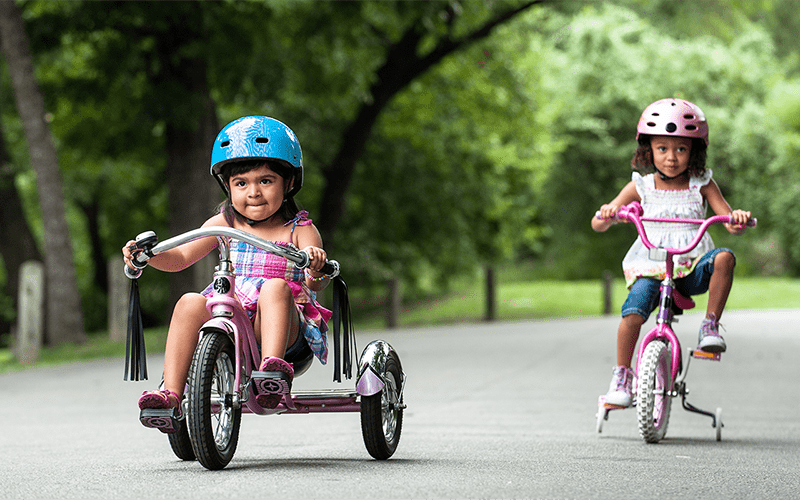
“Wear properly fitting protective equipment like helmets to prevent concussions and other injuries this winter,” Northway said. Depending on the sport or activity your child plays, they may need one or more of these pieces of equipment. Be sure their equipment is in good condition before sending them out to play.
- Knee pads
- Elbow pads
- Protective headband
- Goggles
- Mouth guard
- Chest and shoulder pads
- Helmet
3. Be Flexible
Warm up before playing or exercising and don’t overdo it to prevent overuse injuries.
Do about 15 minutes of dynamic stretches indoors before heading out into the cold. “Dynamic” stretches are those that involve movement – leg swings, lunges, arm circles, jumping jacks and more. They help your blood get moving in your extremities.
Experts recommend static stretches after your time in the cold. “Static” means you hold the stretch rather than moving. This could be a sitting or standing hamstring stretch, shoulder stretch or standing calf stretch. Static stretching lengthens muscles and aids in recovery after a workout.
4. Dress in Layers
In South Texas, the weather can be unpredictable. Northway notes, “dressing in layers — and choosing the right materials — will help you stay comfortable all day long.” Recreation experts recommend dressing in three layers:
- Base layer to wick away moisture
- Long underwear
- Thermal longsleeve shirt
- Tights
- Middle layer to trap body heat
- Fleece sweater or jacket
- Puffy jacket
- Fleece or insulated pants
- Outer layer to protect from wind, ice and rain
- Windbreaker
- Parka
Don’t forget the accessories. Protecting your ears, fingers, toes, neck and face is key to comfort and frostbite prevention. Be sure to have these on hand:
- Scarf or balaclava
- Beanie or hat that covers the ears
- Gloves or mittens (fleece works well)
- Boots
- Hand and foot warmers
- Wool socks (cotton socks are a poor winter choice because they retain moisture)
5. Prepare for the Unexpected
If you’ve lived in Texas for more than a minute, you know the weather can change on a dime. Bring extra layers and accessories mentioned above in case yours get wet or uncomfortable.
Get more cold weather safety tips in our blog.
Pediatric Care at University Health
When your child gets injured playing sports or being active, go to our PediExpress urgent care clinic. You can use the "Save My Spot" feature to save your spot in line.
At PediExpress, you can walk in knowing the clinic was specifically designed for pediatric patients where a board-certified pediatrician is always available.
You can also bring your child in for a sports physical — no appointment required.
Our sports medicine providers can talk with you and your child about preventing future injuries and how to heal from any ongoing issues. Learn more on our website or call us at 210-358-5437.
Injury Prevention at University Health
We want your family to stay safe during every season of the year.
You can learn more about Injury Prevention at University Health for kids and adults on our website.
Use the "Save My Spot" feature to save your spot in line at our ExpressMed clinics.This is not an appointment. Existing patients can access this feature through MyChart.