
Dementia is a broad term describing brain dysfunction that can include memory loss and learning impairment. As the nation's population ages, dementia will become of even more relevance in public helath discussions worldwide.
As of 2020, nearly 460,000 Texans aged 65 and older were living with Alzheimer's disease, according to the Department of Health and Human Services.
Alzheimer's accounts for about 60-80% of the different kinds of dementia.
Other types of dementia are:
- Vascular dementia
- Lewy body dementia
- Frontotemporal dementia
- Parkinson's dementia
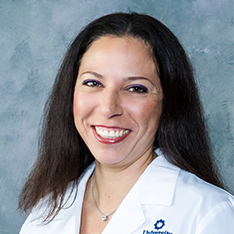
Dr. Katherine Whitely, a family medicine physician at University Health, shares how to recognize the signs of dementia in loved ones and what to do if you notice them.
Common Warning Signs of Dementia
Dementia presents differently in everyone, but there are some common warning signs:
- Memory loss
- Repeating questions
- Confusion with time or place
- Disorientation
- Misplacing items
- Mood changes
- Difficulty finding the right words
- Difficulty concentrating
Depending on the type of dementia, other symptoms may occur. "These symptoms may be very mild in the beginning but will eventually get worse," said Dr. Whitely. "It's important to let your doctor know if your loved ones express concern about these warning signs."
Dementia is a progressive disease - the symptoms do not come and go. you or your loved one may have good days and bad days but it is important to note that there is no "cure" for dementia. It is crucial to get guidance from a health care professional.
What Causes Dementia?
Dr. Whitely explains: Dementia is not a disease itself. Rather, it is an umbrella term for cognitive decline caused by several disorders. "Because of this, there may be many reasons behind the onset of dementia symptoms," said Dr. Whitely.
There are five main causes of dementia:
- Alzheimer's disease, which accounts for up to 70% cases
- Vascular dementia
- Lewy body dementia
- Frontotemporal dementia
- Parkinson's disease
Each of these disorders cause the brain to function improperly, resulting in dementia symptoms. Affected brain areas may depend on the type of dementia(s).
Risk Factors for Dementia
Hearing Loss
Research shows a strong link between hearing loss and dementia.
Social Isolation & Depression
Research suggests that people who are socially isolated are 50% more likely to develop dementia. Living with depression can also increase the risk of developing dementia.
Cardiovascular Disease
Heart disease increases the risk for vascular dementia, which is the second-most common type of dementia. Taking steps to manage or prevent heart disease can lower your risk for dementia.
Genetics
While most dementia cases are not inherited, risk factors for dementia, like heart disease and apoE genetic mutations, can be passed down.
Aging
Dementia is not a normal part of aging, and you can take steps to reduce your risk. But the risk for dementia increases with age, especially after age 65.
How to Lower Your Risk for Dementia
- Address underlying hearing loss.
- Keep an active mind by having hobbies and maintaining strong social connections.
- Incorporate natural sunlight into your morning routine.
- Eat a balanced diet including green vegetables and protein.
- Get regular check-ups and lab work to optimize cholesterol and nutrition.
What to Do If a Loved One Is Showing Signs of Dementia
If your loved one is showing signs of cognitive decline, it is important to schedule an appointment with their primary care provider. "Their health care team can talk with your loved one, review their medical history and may administer some cognitive tests," said Dr. Whitely. "Importantly, they can coordinate specialized care for patients experiencing cognitive decline."
Diagnosing Dementia
Your loved one's health care provider will do a comprehensive physical and cognitive evaluation to diagnose dementia. Blood tests and brain scans can help rule out other potential causes of memory loss or confusion.
Managing Dementia
You can slow dementia down, but there is no "cure." You can manage dementia symptoms with medication, memory rehabilitation and maintaining an active lifestyle.
Family Medicine at University Health
Schedule an appointment with a family medicine provider at University Health if you suspect a loved one is showing early signs of dementia.
Senior health services at University Health also offers abundant resources for San Antonio's older population, so you can enjoy a longer, healthier life.