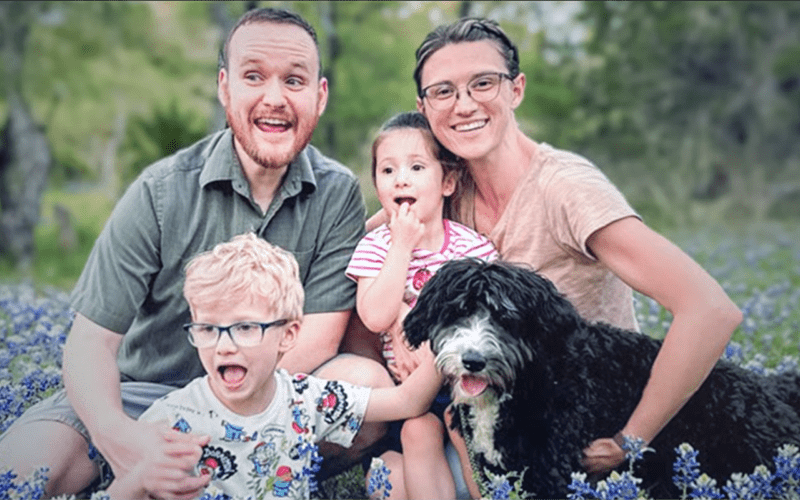

At 26, Channing was diagnosed with polycystic kidney disease (PKD). PKD is a genetic (inherited) disorder that causes cysts to grow on the kidneys. Over time, this can reduce kidney function.
Like many people who feel healthy and strong, Channing tried to push it aside and live life as usual. “I did what I think most people would do; I put my head in the sand and tried to forget about it,” he said. He ignored some of the early signs of PKD, including:
- High blood pressure
- Back pain or pain on the side
- Blood in the urine
- Frequent urinary tract infections (UTIs)
- Abdominal swelling
But in July 2024, routine bloodwork revealed Channing’s kidney function had dropped to Stage 5, which is considered kidney failure. The reality could no longer be ignored. At this point, he was experiencing some of the signs of end-stage renal failure, which include:
- Less frequent urination
- Dry skin
- Difficulty concentrating
- Shortness of breath
- Loss of appetite
Channing’s kidneys could no longer function on their own, and his only options were lifelong dialysis or a kidney transplant.
From that moment on, Channing and his wife, Carrie, began looking for a solution. Carrie researched transplant options, connected with family and friends, and ultimately found University Health Transplant Institute, a decision Channing says he will always be grateful for. “I can’t say enough good things about our experience here. Every single person I encountered was absolutely amazing.”
Channing decided to move forward with a kidney transplant at the University Health Transplant Institute. Carrie volunteered to be Channing’s donor, but testing revealed they were not compatible. Instead, she chose to donate as part of a paired kidney exchange, helping someone else receive a lifesaving transplant, which, in turn, allowed Channing to receive his new kidney.
Kidney Transplant and Recovery
Because of PKD, Channing’s kidneys had grown unusually large — nearly 30 pounds combined — making his surgery complex and high risk. After multiple procedures and 11 days in the hospital, his recovery was supported by surgeons, coordinators, nurses, pharmacists and transplant team members who worked behind the scenes to make this life-saving transplant possible.
“It’s amazing to think about everything that had to happen behind the scenes for this day to occur. From my standpoint, it’s just unbelievable,” Carrie said.
Channing expressed deep gratitude to the donors, saying, “You chose to go into surgery. You chose recovery. You chose uncertainty and that takes a very special person.”
Kidney Transplant at University Health
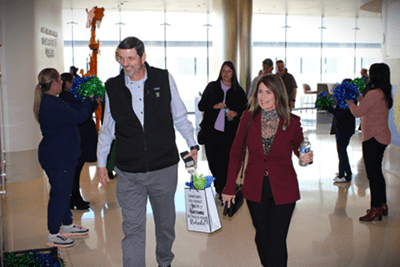
At University Health Transplant Institute, living kidney donation offers hope to patients like Channing, facing kidney failure. Through our nationally recognized Champion for Life program, we empower patients and their support systems with the tools, education and resources needed to share their story and find a living donor.
We are also the only transplant center in South Texas offering robotic surgery for living kidney donation, a less-invasive approach that can mean less pain and faster recovery for donors.
Take the next step and learn how to become a living donor or email ChampionForLife@uhtx.com to be a champion for someone in need.