
The American Cancer Society estimates that nearly 322,000 women will be diagnosed with breast cancer in 2026. That includes 3,400 women in Texas. Breast cancer is easier to treat than it once was, but more than 42,000 women are expected to die from the disease in 2026.
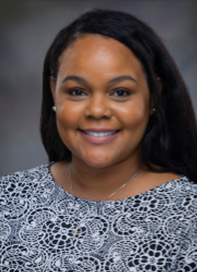
Knowing the signs of breast cancer can help you receive a diagnosis and treatment early, when the disease is often easier to treat. Dr. Sara Ortiz, director of breast imaging and intervention at University Health, shares what you should know.
What Is Breast Cancer?
Breast cancer starts in breast tissue. It develops when breast cells change, grow out of control and may spread.
“Sometimes cancer cells stay in the breast,” said Dr. Ortiz. “They may cause changes in the breast tissue or nipple.”
Cancer cells can also spread to the other breast or other parts of the body.
Breast cancer begins with changes in the DNA inside breast cells. Researchers do not know exactly why these changes happen. Genes, the environment and health habits may all play a role. Many of these factors are outside your control.
Breast cancer is much more common in women, but men can get it, too. About 2,670 men are expected to be diagnosed in 2026.
Among women in the U.S., breast cancer is the second most common cancer after skin cancer.
Early Signs of Breast Cancer
A breast lump is not the only sign of breast cancer. Other symptoms may include:
- A lump in the armpit
- An inverted nipple, meaning it’s turned inward
- A change in breast size or shape that has no clear cause
- Breast or nipple pain
- Dimpling on the breast
- Nipple discharge
- Scaly, red or swollen skin on the breast, nipple or areola
- Skin puckering on the breast
- Swelling or shrinkage of the breast, especially if only one breast is affected
- Swollen lymph nodes in the armpit or near the collarbone
“Call your healthcare provider if you notice a breast change or another possible symptom,” said Dr. Ortiz. “Finding breast cancer early can help keep it from spreading and make it easier to treat.”
Many women have no signs or symptoms. A routine mammogram or well-woman exam may find the cancer.
How to Screen for Breast Cancer
Breast cancer does not always cause symptoms. Regular screening can help find it early. A mammogram is an X-ray of the breast and is the main test used to screen for breast cancer.
The American College of Radiology, American Society of Breast Surgeons and National Comprehensive Cancer Network recommend annual screening mammograms beginning at age 40 for patients at average risk.
If you have a higher risk of breast cancer, your provider may also recommend a breast MRI or ultrasound along with mammograms.
Mammograms are used to screen for breast cancer. If you have symptoms, such as pain or a lump, talk with your primary care provider. Some patients notice changes in their own breasts, so Dr. Ortiz recommends being familiar with how your breasts normally look and feel. Check your breasts regularly and talk with your provider about any changes.
Check for changes and report them to your provider.
If you are concerned about a change in the appearance or feel of your breasts, such as a lump or swelling, schedule an appointment with your provider.
Understanding Your Risk Factors for Breast Cancer
Anyone can get breast cancer, but some people have a higher risk. Risk factors include:
- Having a family history of breast or ovarian cancer
- Having a first pregnancy after age 30 or never being pregnant
- Having a personal history of breast cancer or certain other breast conditions
- Having dense breasts
- Having received radiation therapy in the past
- Having inherited genetic mutations, such as BRCA1 or BRCA2
- Starting your period before age 12
- Starting menopause after age 55
You cannot change most of the risk factors above. But you can change some habits linked to a higher risk. Your risk may be higher if:
- You drink alcohol.
- You have an inactive lifestyle.
- You’re overweight or have obesity, especially after menopause.
- You smoke.
These are called modifiable risk factors. That means changing your habits may lower your risk.
Talk with your provider about your breast cancer risk and ways to protect your health. You may need screening at a younger age or more often. Healthy lifestyle changes may also help.
Early Detection and Prevention of Breast Cancer
Breast cancer is more survivable when it is found before it spreads outside the breast. The five-year relative survival rate for all stages is 92%. When breast cancer is found and treated before it spreads, the five-year relative survival rate is more than 99%.
Finding breast cancer early can keep it from getting worse and make treatment more effective. Get the screenings your provider recommends. A mammogram can find cancer before symptoms appear.
Women of every age and background should follow screening guidance. Breast cancer can be harder to treat when it is found later. A 2024 report from the University Health Institute for Public Health found lower breast cancer screening rates among Hispanic residents. Regular screening is an important part of your healthcare.
If you have a higher risk of breast cancer, ask your provider how often you should be screened. Also, ask what steps may help lower your risk.
How Breast Cancer Is Treated
If you are diagnosed with breast cancer, your treatment will depend on the type and stage of your cancer, as well as your health needs. Breast cancer treatment may include:
Local treatments: Surgery and radiation treat the tumor in the breast. You may need other treatments, too.
Systemic treatments: These treatments use medicine that can reach cancer cells throughout the body. Chemotherapy is one example. The medicine may be taken by mouth or given through a vein.
Before treatment begins, ask your care team about the benefits and risks of each option.
Breast Care at University Health
University Health is a nationally recognized Certified Quality Breast Center of Excellence. We provide complete and compassionate breast care, including screening, diagnosis, treatment and support after treatment.
Protect your breast health by getting the screenings recommended for your age and risk. Learn more about our screening services or call the Breast Center at 210-644-2900 to make an appointment.
Are you due for a breast cancer screening? Schedule an appointment with the University Health Breast Center. Call 210-644-2900.