
Women often experience different heart disease symptoms than men and may not recognize warning signs right away.
Despite this, there is little research on women and heart health, which leads to gaps in awareness and care. This impact is expected to worsen as the American Heart Association reports that about 60% of women are expected to have heart disease by 2050.
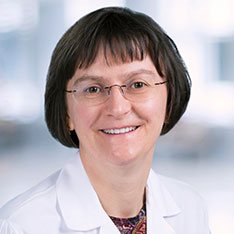
Dr. Ildiko Agoston, medical director of the University Health Women’s Heart Center, is working to address this concern. Throughout this article, Dr. Agoston breaks down common myths about women’s heart health and provides facts to set the record straight.
Myth: Heart disease doesn't affect that many women.
Fact: According to the Centers for Disease Control and Prevention, heart disease accounts for 1 in 5 female deaths in the United States.
Dr. Agoston says, “As women get older and go through menopause, heart disease becomes the leading cause of illness and death for women.” She explains that women lose many protective factors, like HDL, which is good cholesterol. In addition, blood pressure rises with age.
Dr. Agoston adds that pregnant patients who develop preeclampsia or gestational diabetes are at increased risk for heart disease and heart attack later in life.
"I can't emphasize enough why this is important," said Dr. Agoston. "Here in South Texas, we have one of the highest rates of maternal mortality. And unfortunately, cardiovascular diseases are among the leading causes of poor outcomes in pregnant women."
To help protect themselves, women should be aware of their:
- Blood pressure
- Weight
- Cholesterol
- Family history, especially if it includes heart disease or if someone in their family died of a heart attack before age 65
Myth: There is no way I can lower my risk for heart disease.
Fact: There are some risk factors for heart disease that you can control, while there are others you can't.
Risk factors like your age and family history can’t be changed, but you can change your habits, such as whether you smoke and what you eat. If you eat healthier, your cholesterol levels will be better, even if you are prone to familial hyperlipidemia, which is a family history of high cholesterol.
“If you have familial hyperlipidemia that gets diagnosed early and your provider puts you on the right medications, then you minimize your risk by reducing the cholesterol levels,” says Dr. Agoston. “Which are directly related to plaque buildup in the coronary arteries.”
If you get diagnosed early with diabetes and your provider puts you on medications, then you can prevent heart disease and serious complications of diabetes.
Myth: Alcohol doesn’t put me at greater risk for heart disease.
Fact: "That’s a huge myth, especially among young women," said Dr. Agoston.
Women are more prone to developing liver cirrhosis if they drink alcohol, especially if they don't drink in moderation. Alcohol also has calories; when somebody drinks alcohol, that's adding extra unnecessary calories to their diet.
So, if you take all of that into account, that will increase the risk of developing heart failure (cardiomyopathy), which is a weakened heart muscle that is common in people who drink a lot of alcohol.
Studies have also shown that even moderate drinking can negatively impact women's heart health over time, as their bodies metabolize alcohol differently from men's.
Myth: If I take aspirin every day, I won't have a heart attack.
Fact: This might be true for some patients, but aspirin is not for everyone.
"You have to treat aspirin as a medication, not a supplement or a vitamin," said Dr. Agoston. "When you start taking aspirin, it should be discussed with a physician who is familiar with cardiovascular risk factors so they can determine whether you would benefit from taking this medication."
For patients who already have coronary artery disease, aspirin may be helpful to prevent a future heart attack.
Myth: If I already have heart disease, there is nothing I can do to help myself.
Fact: If someone has heart disease, Dr. Agoston said, "they need to monitor their condition and, hopefully, they already have established care with a cardiologist.”
There are many new medications and treatments for heart failure, but you need ongoing care from a heart doctor to help manage this lifelong condition.
Women's Heart Health at University Health
Understanding your risk is the first step to caring for your heart, but having the right care team matters, too.
Learn more about Dr. Agoston and her team at the University Health Women’s Heart Center, the first of its kind in South Texas. Here, women receive specialized screenings, risk assessments and ongoing care tailored to every stage of life, including pregnancy and beyond.
Whether you’re managing risk factors or living with heart disease, our women's heart experts are here to help you take control of your health.
Worried about heart disease? Take our quick Heart Health Risk Assessment to understand your risk for heart disease.